Depression
Learn about Depression, symptoms, causes, and treatment options at Manan Wellness.
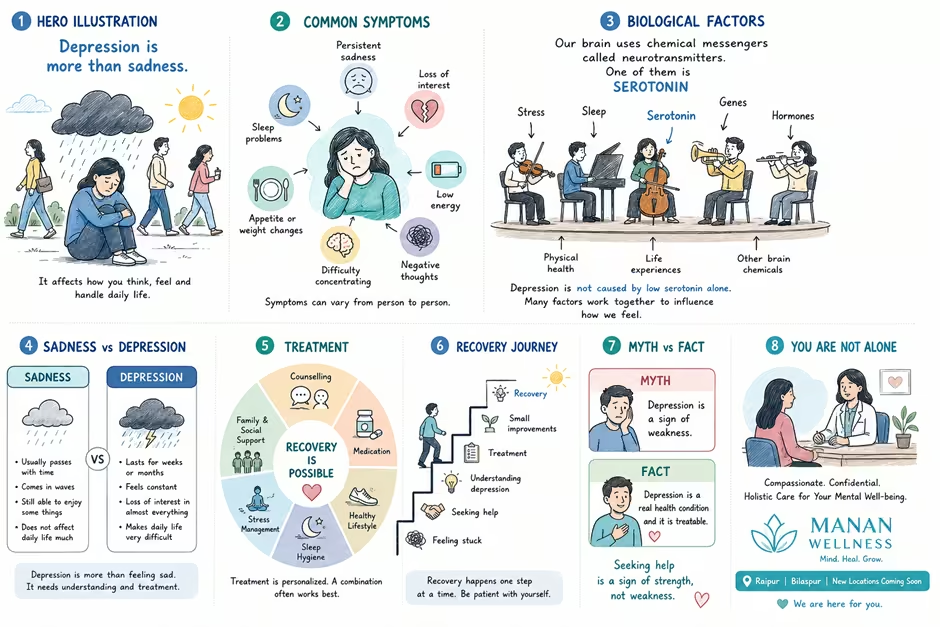
Depression
Depression Symptoms, Causes & Treatment in Raipur | Manan Wellness
Everyone feels sad sometimes. Losing a loved one, failing an exam, work stress, relationship problems, or financial difficulties can make anyone feel low.
Usually, these feelings improve with time.
But if sadness lasts for weeks, starts affecting your daily life, and makes even simple tasks feel difficult, it could be depression.
Depression is a common mental health condition that affects millions of people worldwide. The good news is that it is treatable, and with the right support, people can recover and lead fulfilling lives.
What is Depression?
Depression is more than feeling sad for a day or two.
It is a condition that affects how a person thinks, feels, behaves, sleeps, eats, and functions in everyday life.
People with depression often lose interest in activities they once enjoyed and may struggle to find motivation even for simple daily tasks.
Depression is not a sign of weakness, laziness, or lack of willpower. It is a health condition that deserves understanding and treatment.
Common Symptoms of Depression
Everyone experiences depression differently, but some common signs include:
- Feeling sad or empty most of the day
- Losing interest in hobbies or activities
- Feeling tired even after resting
- Sleeping too much or having trouble sleeping
- Changes in appetite or weight
- Difficulty concentrating
- Feeling guilty or worthless
- Becoming irritable more easily
- Moving or speaking more slowly
- Feeling hopeless about the future
Some people may also have repeated thoughts that life is not worth living.
If these symptoms continue for more than two weeks, it is important to seek professional help.
What Causes Depression?
There is rarely one single cause.
Depression often develops because of a combination of different factors.
These may include:
Stressful Life Events
- Relationship problems
- Loss of a loved one
- Financial stress
- Workplace pressure
- Academic stress
Biological Factors
Our brain uses chemical messengers called neurotransmitters to help regulate mood, sleep, appetite, motivation, and emotions. One of these is serotonin, which you may have heard about in relation to depression.
While serotonin plays an important role in how the brain functions, depression is not simply caused by “low serotonin.” It is a complex condition influenced by many factors, including genetics, stress, hormones, physical health, life experiences, and the way different brain circuits communicate with each other.
Think of the brain like an orchestra. Serotonin is one important musician, but it cannot create beautiful music on its own. Many other factors—such as stress, difficult life experiences, genetics, physical health, hormones, sleep, and other brain chemicals—work together to influence how we feel.
This is why depression affects each person differently, and why treatment often involves a combination of counselling, lifestyle changes, social support, and sometimes medication.
Physical Illness
Conditions like thyroid disorders, chronic pain, diabetes, or neurological illnesses may contribute to depression.
Lifestyle Factors
Poor sleep, lack of physical activity, substance use, and ongoing stress can also play a role.
Depression is Different from Everyday Sadness
Feeling sad after a difficult event is a normal human emotion.
Depression is different because:
- Sadness
- Depression
- Usually improves with time
- Lasts for weeks or months
- Person still enjoys some activities
- Loss of interest in almost everything
- Daily life continues
- Work, studies and relationships become difficult
- Temporary
- Needs proper assessment and treatment
How is Depression Treated?
The good news is that depression is one of the most treatable mental health conditions.
Treatment depends on the severity of symptoms and individual needs.
It may include:
Psychological Therapy
Talking to a trained mental health professional helps people understand their thoughts, emotions, and develop healthier coping strategies.
Medicines
For some people, medicines may help restore the balance of brain chemicals involved in mood.
They should always be taken under medical supervision.
Lifestyle Changes
Simple habits can support recovery:
- Regular sleep
- Physical activity
- Healthy diet
- Stress management
- Staying socially connected
Many people benefit from a combination of these approaches.
When Should You Seek Help?
Consider consulting a mental health professional if:
- Symptoms last longer than two weeks.
- Daily work or studies become difficult.
- You stop enjoying life.
- Family members notice major changes in your behaviour.
- You feel hopeless most of the time.
Early treatment often leads to better recovery.
Can Depression Be Prevented?
Not every case can be prevented, but healthy habits may reduce the risk.
These include:
- Maintaining regular sleep
- Exercising regularly
- Managing stress
- Avoiding alcohol and drugs
- Talking openly with trusted family or friends
- Seeking help early when symptoms begin
You Are Not Alone
Depression can make people feel isolated, but many others experience the same struggle.
Seeking help is not a sign of weakness.
It is a positive step towards recovery.
With the right treatment and support, most people improve significantly and return to living meaningful, productive lives.
Depression Care at Manan Wellness
At Manan Wellness, we believe mental healthcare should be compassionate, personalised, and focused on the whole person—not just the symptoms.
Our team offers evidence-based assessment, counselling, psychological therapies, medication management when needed, and lifestyle guidance in a supportive and confidential environment.
We currently provide mental health services in Raipur and Bilaspur, with additional locations coming soon.
If you or someone you care about has been struggling with symptoms of depression, reaching out early can make a real difference.
When Should You Book an Appointment?
If persistent sadness, loss of interest, low energy, changes in sleep or appetite, difficulty concentrating, or other symptoms are affecting your work, studies, relationships, or overall quality of life, seeking professional help early can make recovery easier.
Many people wait for months before asking for help, hoping the symptoms will improve on their own. Early assessment and treatment can reduce suffering, improve daily functioning, and help prevent symptoms from becoming more severe.
At Manan Wellness, our psychiatrists and psychologists provide compassionate, confidential, and evidence-based care tailored to each individual's needs. Whether you need counselling, psychotherapy, medication, or a combination of treatments, we work with you to develop a personalised treatment plan.
Frequently Asked Questions
Is depression a sign of weakness?
No. Depression is a medical condition that can affect anyone, regardless of age, gender, or profession.
Can depression go away on its own?
Some mild episodes may improve, but many people require professional support. Early treatment usually leads to better outcomes.
Can teenagers develop depression?
Yes. Depression can affect children, teenagers, adults, and older adults.
Is depression curable?
Most people with depression improve significantly with the right treatment and ongoing support.
Can depression cause physical symptoms?
Yes. Depression can cause physical symptoms such as persistent tiredness, headaches, body aches, digestive problems, changes in appetite, and disturbed sleep. Sometimes these physical symptoms are more noticeable than sadness itself.
Can depression affect memory and concentration?
Yes. Many people with depression experience difficulty concentrating, forgetfulness, slower thinking, or trouble making decisions. These symptoms often improve with appropriate treatment.
Can depression come back after treatment?
It can. Some people experience only one episode of depression, while others may have recurrent episodes. Continuing treatment as advised, attending follow-up appointments, and maintaining healthy lifestyle habits can reduce the risk of relapse.
How long does depression treatment take?
Recovery varies from person to person. Some people begin feeling better within a few weeks of treatment, while others may require several months. Your mental health professional will recommend a treatment plan based on your individual needs.
Can depression be treated without medication?
Yes. Mild depression often improves with psychological therapies, lifestyle changes, stress management, and social support. Moderate to severe depression may require medication in addition to therapy. The most appropriate treatment depends on the individual's symptoms and overall health.
Where can I get treatment for depression in Raipur?
If you are looking for compassionate and holistic depression care, Manan Wellness provides mental health services in Raipur and Bilaspur, with new centres opening soon
Related Articles
If you'd like to learn more about mental health, you may also find these articles helpful:
- Anxiety Disorders: Symptoms, Causes & Treatment
- Panic Attacks: Why They Feel Like a Heart Attack
- Obsessive-Compulsive Disorder (OCD): More Than Just Being Clean
- Alcohol Use Disorder: Symptoms, Causes & Treatment
- Bipolar Disorder: Symptoms, Causes & Treatment
- Stress vs Anxiety: What's the Difference?
- Sleep Problems and Mental Health